- Study
- Student
- Research
- About UNAK
- University
- Schools & faculties
- Governance
- Rector
- University Council
- University Assembly
- Laws and regulations
- Organization
- Councils and committees
- Strategies & policies
- On campus
- Human resource
24. September 2025
Space and Politics in Iceland
International researchers met in Reykjavík to explore how outer space shapes the Arctic, global politics, and visions of the future
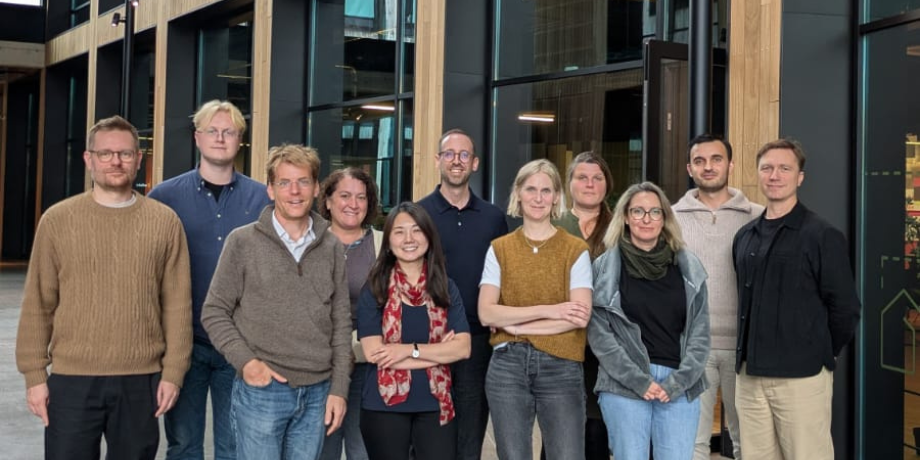
Earlier in September, researchers from several countries met in Reykjavík to discuss outer space and its effects on Earth. The main focus was a three-day workshop on how to connect Arctic research with space studies. After the workshop, participants joined a field trip to Iceland’s geothermal landscapes, which resemble the surface of Mars and the Moon. They also explored dystopian visions of the future in Nordic science fiction.
Organisers and Participants
The workshop was held at Gróska, supported by the Icelandic Research Institute of Space Science. It was organised by Dr Adam Fishwick, research director and visiting professor at the University of Akureyri. “It was three inspiring days where we discussed the politics of outer space with scholars from across the world,” said Adam. Participants came from the NordSpace project and the newly established UArctic Thematic Network on Arctic-Space Sustainability. The University of Akureyri is involved in both projects, led by Professor Katharina Glaab at the Norwegian University of Life Sciences.
Topics of Discussion
The workshop focused on:
- the role of public and private actors in the space sector,
- national and international space policy,
- and how visions of the future shape decisions being made today.
Public Panel at the Art Museum
A public panel discussion was also held at the Reykjavík Art Museum. The event explored science fiction, art, and the politics of outer space.
The debate centred on the Swedish-Danish film Aniara, which presents a dark vision of humanity’s future in space. “Aniara shows us the human challenges we face today – climate crisis, corporate power, and our relationship with AI,” Adam explained.
Panellists from Roskilde University, Utrecht University, the Iceland University of the Arts, and the Iceland Space Agency contributed to the discussion. They highlighted risks associated with the growing space sector, including worsening environmental crisis and inequalities of ownership over space infrastructures, suggesting collaborative global regulation of space to avoid them.
Highlands Trip
The highlight of the workshop was a trip into Iceland’s Highlands with the Iceland Space Agency. Experts explained the geological similarities between Iceland, Mars, and the Moon. They also demonstrated how international research teams, including NASA and the European Space Agency, use Iceland’s unique landscapes to prepare for future missions.
Looking Ahead
The organisers are now planning a larger conference on this theme in Oslo next year, continuing the conversation on space, politics, and the future.