- Study
- Student
- Research
- About UNAK
- University
- Schools & faculties
- Governance
- Rector
- University Council
- University Assembly
- Laws and regulations
- Organization
- Councils and committees
- Strategies & policies
- On campus
- Human resource
19. August 2026
Dart throwing professor with passion for sustainable fisheries
Meet Our Scientists – Thanh Viet Nguyen
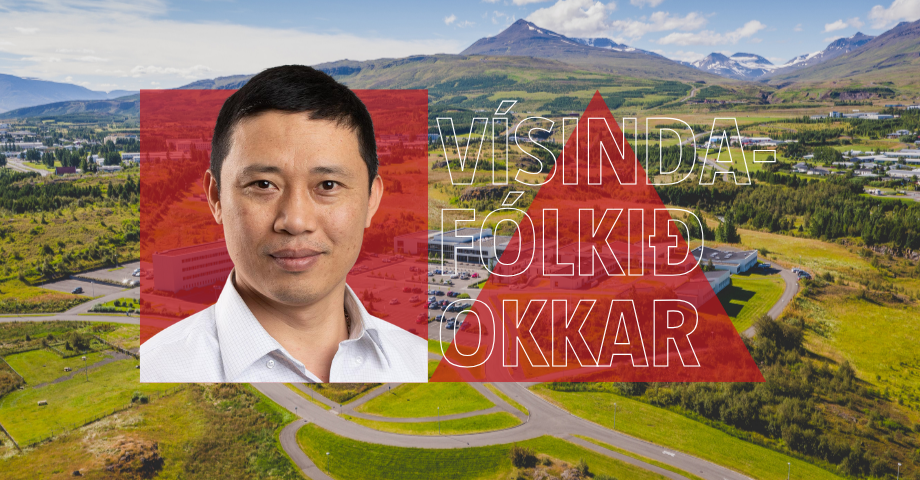
Meet Our Scientists is a monthly introduction to researchers at the University of Akureyri. Thanh Viet Nguyen, Professor at the Faculty of Natural Resource Sciences, is our scientist of the month for July.
From Vietnam’s coastline to Iceland’s fisheries
“I was born and raised in Vietnam, a country with more than 3,000 kilometres of coastline and a deep connection to the sea. Growing up, I witnessed how important fisheries are to people’s livelihoods. That inspired my interest in the sustainable management of marine resources and ultimately led me to where I am today.”
His academic journey began at Nha Trang University, where he completed a bachelor’s degree in Fishing Technology. From there, his studies took him north – considerably farther north. “I pursued a master’s degree in International Fisheries Management at the University of Tromsø in Norway and later completed a PhD in Economics at the University of Southern Denmark, specialising in ecosystem-based fisheries management. During my doctoral studies, I also spent time as a visiting research fellow at the University of California, Davis, where I had the opportunity to work with leading researchers in resource economics.”
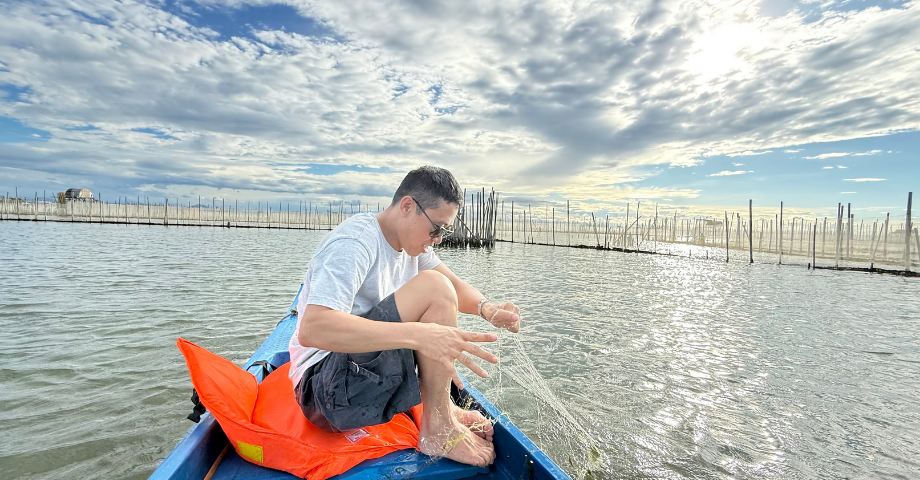
Thanh’s career has spanned government, academia and international development. “I have been fortunate to live and study in Vietnam, Norway, Denmark, the United States and now Iceland, where I joined the University of Akureyri in 2020. Each country has shaped the way I think about science, education and sustainability. Along the way, I have also had the opportunity to collaborate with organisations including the Food and Agriculture Organization of the United Nations, WWF, the World Bank and the European Union.”
Where economics, ecology and policy meet
Thanh’s research focuses on fisheries economics and the sustainable management of marine resources. “I am particularly interested in understanding how economic incentives, ecological processes and public policies interact to influence fisheries and the long-term health of marine ecosystems. My work combines economics, ecology and quantitative modelling to develop management strategies that balance environmental sustainability with economic benefits for society.”
Over the years, he has worked on ecosystem-based fisheries management, productivity and efficiency analysis, bioeconomic modelling and the valuation of ecosystem services. “I enjoy collaborating with researchers from different disciplines because sustainable fisheries require both natural and social science perspectives. Ultimately, my goal is to provide evidence that helps policymakers make informed decisions about managing our shared marine resources.”
Research must travel beyond academic journals
“The most pressing challenge in fisheries today is ensuring that marine resources remain sustainable under climate change, biodiversity loss and growing human demand. We need better scientific tools that integrate ecological, economic and social dimensions so that fisheries management can adapt to changing conditions.”
Producing knowledge, however, is only part of the task. The results must also reach those who can put them into practice. “Research should not remain within academic journals. It should be translated into practical policies and management strategies that governments, industries and local communities can use. Close collaboration among scientists, policymakers and stakeholders is essential if research is to contribute to sustainable fisheries and resilient coastal communities.”
An international classroom full of perspectives
Thanh teaches fisheries management, resource economics, environmental economics and quantitative methods. He also supervises graduate students and fellows from the GRÓ Fisheries Training Programme, bringing him into contact with students from many different countries and backgrounds.
“The most rewarding part of teaching is seeing students develop confidence in their analytical thinking and apply theory to real-world challenges. Fisheries management is unique because it brings together ecology, economics, policy and people. One of the greatest opportunities in teaching is working with an international classroom where students contribute different perspectives and experiences. At the same time, one of the biggest challenges is preparing students to solve increasingly complex sustainability problems in a rapidly changing world.”
“I want to inspire curiosity, critical thinking and the ability to use science to support better decision-making.”
Volleyball follows him across borders
When he is not researching or teaching, Thanh enjoys activities that offer a change of pace. “I often play volleyball, darts or go fishing when I have free time. I used to play for local teams in Denmark and Norway, and I have now joined a local volleyball club here in Iceland.”
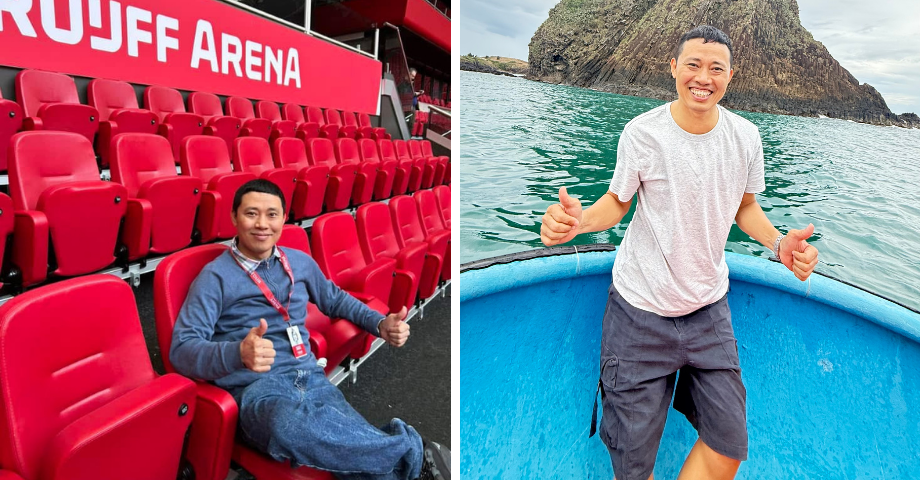
And with that, we say goodbye to Thanh, the professor who brings economics, ecology and people together because sustainable fisheries are far too important to be left to a single discipline. He is probably on his way to the volleyball court or lining up his next perfect throw at the dartboard.
Would you like to meet more of our scientists? Click here.