Polar Law Programme
Polar law addresses the legal frameworks governing the Arctic and Antarctic, emphasizing international law, Indigenous rights, environmental law, governance, and economic aspects relevant to polar regions.
Central to the university’s 2024-2030 strategy is UNAK’s role as an Arctic university. Reflecting this focus, UNAK is one of the founding members of the University of the Arctic, and Iceland’s Arctic Policy (pdf) identifies Akureyri as the center for Icelandic knowledge and international expertise in circumpolar affairs. A framework of Arctic organisations has developed on the University campus creating a dynamic centre for Arctic monitoring, assessment, research, and policy initiatives.
Arctic studies

Polar law addresses the legal frameworks governing the Arctic and Antarctic, emphasizing international law, Indigenous rights, environmental law, governance, and economic aspects relevant to polar regions.

The Nansen professor is a guest professorship in Arctic studies at the University of Akureyri, jointly funded by Iceland and Norway.
The Icelandic Tourism Research Centre (ITRC) is a cooperative project between the University of Iceland, the University of Akureyri and Hólar University. The ITRC's aim is the improvement and promotion of tourism research in Iceland and strengthening the bonds of research and industry through domestic and international collaborative projects.
International Arctic Research Institute at the University of Akureyri.
Conservation of Arctic Flora and Fauna (CAFF) is the focal point for Arctic Council biodiversity and ecosystem activities. It addresses the conservation of Arctic biodiversity, and communicate its findings to the governments and residents of the Arctic, helping to promote practices which ensure the sustainability of the Arctic’s living resources.
The Icelandic Arctic Cooperation Network was established to initiate, encourage, and facilitate Icelandic and international cooperation on Arctic issues.
The International Arctic Science Committee (IASC) fosters international cooperation and interdisciplinary research to advance scientific understanding of the Arctic and its global impact.
Protection of the Arctic Marine Environment (PAME) is the focal point of the Arctic Council’s activities related to the protection and sustainable use of the Arctic marine environment and provides a unique forum for collaboration on a wide range of activities in this regard.
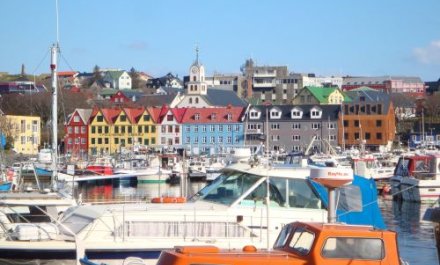
CDRP explores civil preparedness, risk planning and societal resilience in Greenland and the Faroe Islands.
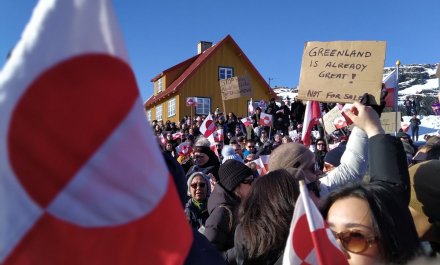
GRASP explores how Greenland navigates economic and security interests amid growing great power competition in the Arctic.
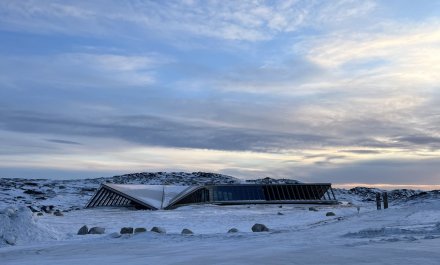
Mapping Memories explores the preservation of Arctic cultural heritage in the face of climate change.
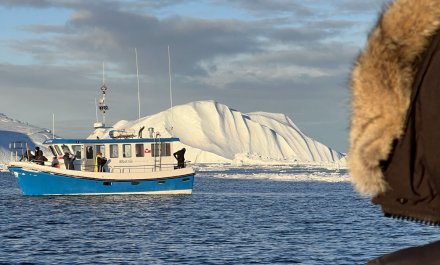
SustainME explores the sustainable use of Arctic marine environments and the wellbeing of Arctic communities.